
Herpes test – blood test for HSV-1 and HSV-2
Would you like to test whether you have previously been infected with herpes? This herpes test is a blood test that analyzes IgG antibodies against Herpes simplex virus type 1 (HSV-1) and type 2 (HSV-2). HSV is very common and many people who carry the virus have no or very mild symptoms. With a type-specific antibody test, you can get information about whether you have previously been infected with HSV-1 and/or HSV-2. The sample is taken as a venous blood sample at all listed affiliated clinics and is then analyzed in an accredited laboratory. You will receive your test result digitally along with a doctor's comment.
What does a herpes blood test show?
The blood test analyzes IgG antibodies to:
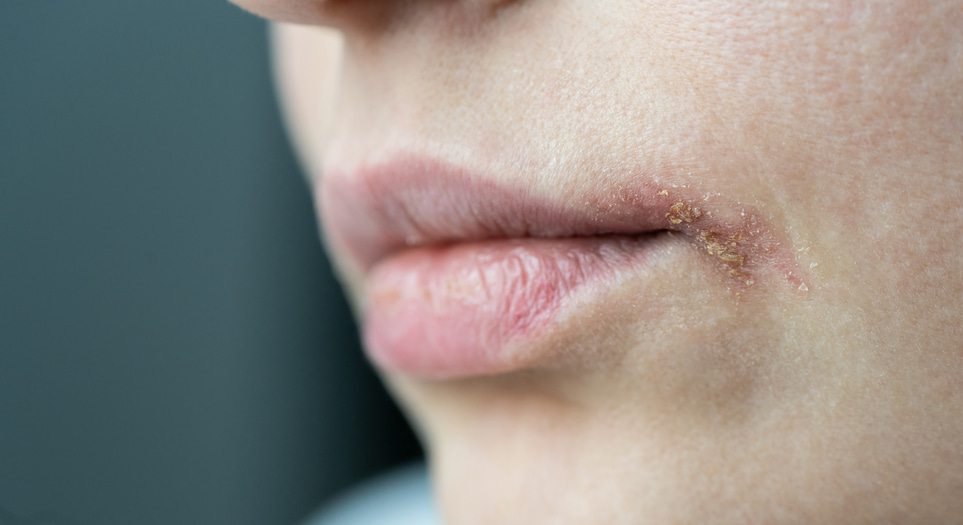
- HSV-1: the type most often associated with cold sores and cold sores, but which can also cause genital herpes.
- HSV-2: the type most commonly associated with genital herpes.
A positive IgG result shows that your body has made antibodies to HSV-1 and/or HSV-2 after a previous infection. The test shows which type of herpes virus you have antibodies to, but not when the infection occurred. A positive HSV-1 result cannot determine whether the infection is oral or genital, while HSV-2 is mainly associated with genital herpes.
When can a herpes test be relevant?
A blood test for HSV-1 and HSV-2 may be relevant if, for example, you:
- have had recurrent blisters, sores, burning or other symptoms that may be due to herpes
- have previously had suspected herpes symptoms but were unable to take a sample from an active blister or sore
- have a partner who has been diagnosed with herpes
- want to investigate whether you have previously been infected with HSV-1 or HSV-2
- have taken a previous test that was negative despite recurring symptoms
When should I test myself after suspected infection?
IgG antibodies are not formed immediately after you have been infected. If the sample is taken too early, the result may therefore be negative even though an infection has occurred. If a recent HSV infection is suspected, a new antibody test may need to be taken about 12 weeks after the suspected infection.
Do you have blisters or sores right now?
If you have active blisters or sores, taking a sample directly from the lesion, usually with PCR, is normally a better method for diagnosing a current herpes infection. An IgG blood test is mainly used to examine whether antibodies from a previous infection are present.
What is herpes simplex virus?
Herpes simplex virus is a common virus that can infect skin and mucous membranes. There are two main types:
- HSV-1: often causes cold sores and mouth ulcers but can also cause genital herpes, for example after oral sex.
- HSV-2: is mainly associated with genital herpes.
Herpes is transmitted through close skin and mucous membrane contact. The risk of infection is greatest when blisters or sores are present, but the virus can also be transmitted when the person does not have clear symptoms.
Common symptoms of herpes
Many people who have herpes do not have clear symptoms. When symptoms occur, they may include:
- blisters or sores around the mouth or in the genital area
- burning, tingling, or itching
- tenderness or pain
- pain when urinating with genital herpes
- fever and feeling unwell with a first infection
- recurrent outbreaks
How to interpret the result
- HSV-1 positive: IgG antibodies to HSV-1 have been detected. This means that you have previously been infected with HSV-1. The blood test cannot determine whether the infection is oral or genital.
- HSV-2 positive: IgG antibodies to HSV-2 have been detected and indicate a previous HSV-2 infection.
- Negative result: No IgG antibodies have been detected. If the suspected infection occurred recently, the sample may have been taken before sufficient antibodies had formed.
Herpes test – frequently asked questions
Can herpes be tested with a blood test?
Yes. A blood test can analyze IgG antibodies to HSV-1 and HSV-2 and thus provide information about a previous infection.
Can a blood test show if I have genital herpes?
A positive HSV-2 result is strongly associated with genital infection. However, a positive HSV-1 result cannot show whether the infection is in the mouth or genitals.
How long after infection can you test for herpes?
It takes time for the body to form measurable IgG antibodies. In cases of recent suspected infection, a follow-up test about 12 weeks after infection may be needed.
Can you have herpes without symptoms?
Yes. Many people with herpes have no or very mild symptoms and are therefore unaware of the infection.
What is the difference between HSV-1 and HSV-2?
HSV-1 is primarily lt is associated with oral herpes but can also cause genital herpes. HSV-2 is primarily associated with genital herpes.
Can herpes go away?
After infection, the herpes virus remains in the body. However, the symptoms may disappear completely between outbreaks and recurrent outbreaks become milder or less frequent over time.
What should I do if the test is positive?
The result is assessed together with your doctor's comments. In the case of recurrent or troublesome symptoms, antiviral treatment is available that can relieve and shorten outbreaks.